Christmas Gift ideas
How to avoid buying the same type of present every Christmas
By Natasha Weston · Published
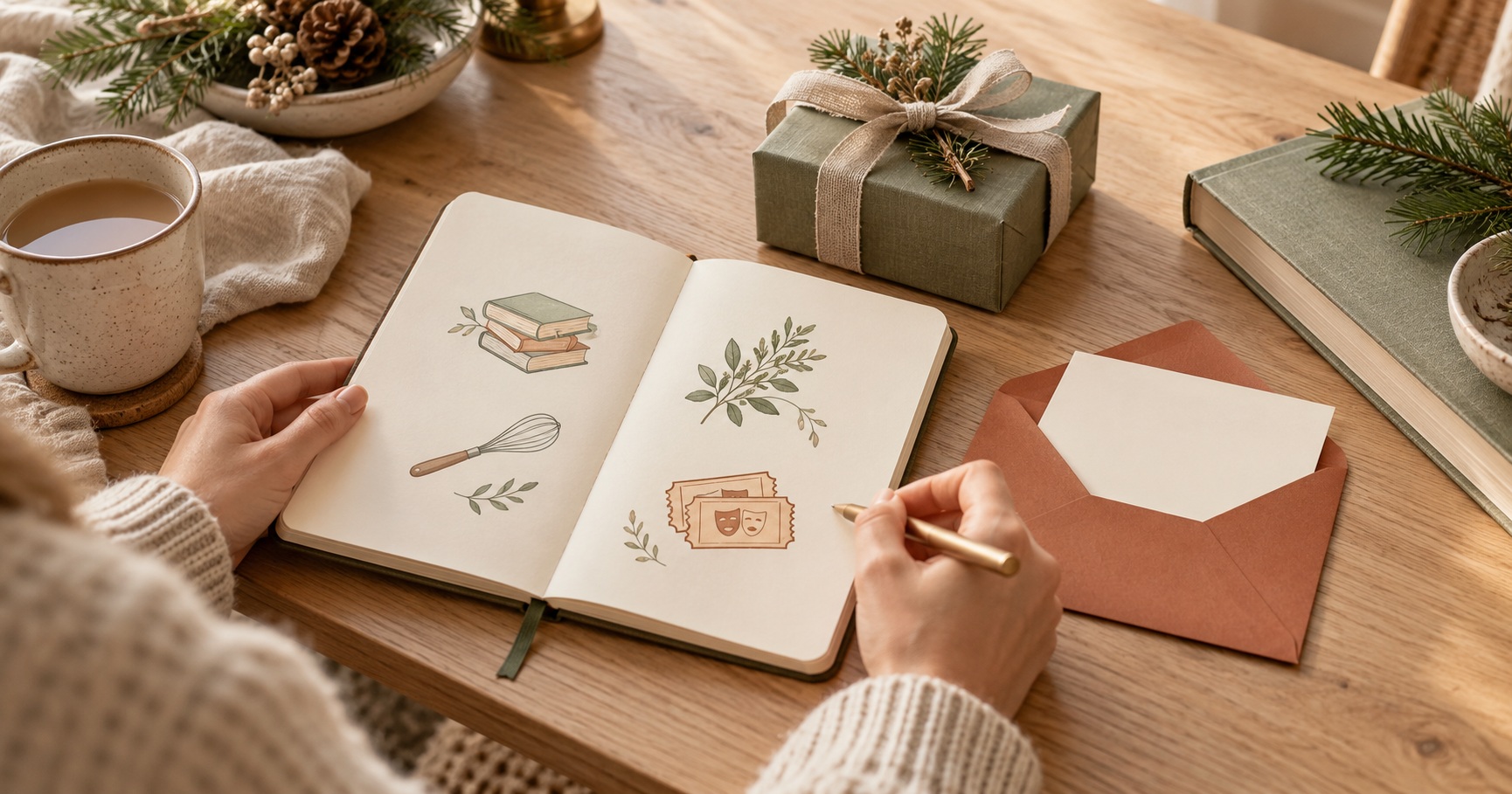
Another candle, another mug, another gift set? Find a fresh direction without abandoning the interests and familiar favourites that make someone easy to buy for.
At some point, someone mentions that they like candles.
For the next several Christmases, they receive candles from everyone.
It’s easily done. Once you find a safe gift category, returning to it feels sensible—especially when you’re short of time or buying for lots of people.
Familiar favourites aren’t a problem if the person still enjoys receiving them. But if you’re choosing the same thing because you can’t think of anything else, it may help to look again.
Ask whether the usual gift is still welcome
Some people genuinely look forward to a favourite fragrance, a particular food or an annual addition to a collection.
You don’t need to introduce novelty for its own sake.
The question is whether they still want it. Have they used previous gifts? Mentioned having too much? Changed their routine?
A gentle conversation can be more useful than assuming either that repetition is welcome or that every present must be different.
Think about what has changed this year
People’s interests and circumstances move on.
Perhaps they’ve taken up baking, started walking more, moved home or discovered an author. They may have less space, less time or a new preference for experiences over possessions.
Ask yourself: “What would I tell someone about them now?”
Update their Givumi profile to reflect that answer, including interests that no longer fit.
Look beyond the obvious object
An interest doesn’t have to lead to the same product every time.
Someone who loves reading might enjoy exploring an author event, a reading-related experience or something that makes their reading time more comfortable.
Someone who enjoys cooking might appreciate a new flavour, a learning opportunity or something connected to the meals they most enjoy making.
These are directions to consider, rather than guarantees. What matters is how the person actually spends their time.
Use past gifts as clues
Think about the presents that were used, discussed or enjoyed afterwards.
What made them work? Were they practical, personal, funny, consumable or something you did together?
Also consider gifts that quietly disappeared. You may never know exactly why they weren’t suitable, but you can avoid repeating an uncertain choice.
Recording purchases in Givumi gives you something to refer back to when the next occasion arrives.
Don’t replace one habit with another assumption
If someone has enough mugs, that doesn’t automatically mean they want a course, a subscription or a day out.
Experiences involve time, travel and sometimes additional costs. Subscriptions may require ongoing payments. Hobby equipment can depend on specific preferences.
Before choosing a new direction, think through what receiving the gift would involve for them.
Try Brainstorm when your ideas keep circling back
If every search leads you to the same familiar categories, step back from products for a moment.
Describe what the person enjoys, what they already have and what you want to avoid. Brainstorm ideas can give you another direction to explore.
Treat the suggestions as starting points. You still know the person, and you can decide which ideas fit their life.
Aim for recognition, rather than surprise alone
A gift can be unexpected and still miss the mark. It can also be familiar and warmly received.
The goal is for the person to feel that you’ve thought about them.
Sometimes that means their usual favourite. Sometimes it means noticing a new interest or remembering something they mentioned months ago.
Either way, you’re making a choice for who they are now—not simply repeating what you bought last December.