Buying guideGift guides
Headphones as Gifts: How to Choose the Right Pair
 By Natasha Weston · Published · Updated
How we choose products and write our guides
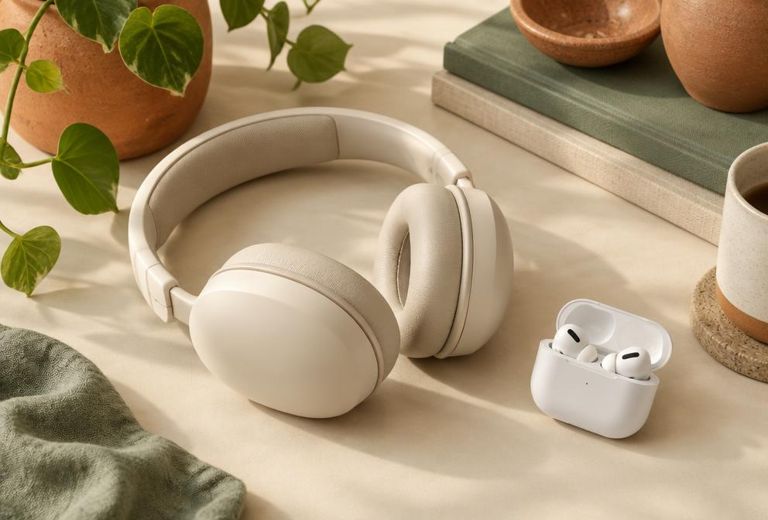
Wireless earbuds, gaming headsets or noise-cancelling headphones? Discover how to choose a comfortable, compatible pair they'll use.
Headphones can make a brilliant gift. Whether someone loves music, video games, films or podcasts, a good pair can become something they use almost every day.
But headphones are also surprisingly easy to get wrong. Earbuds, over-ear headphones, noise-cancelling models and gaming headsets are designed for different jobs, and comfort and compatibility matter as much as sound.
The best headphones aren't necessarily the most expensive. They're the ones that suit how the recipient will actually use them.
Start With How They'll Use Their Headphones
Before comparing brands or prices, think about the recipient's everyday routine. Consider whether they'll mainly use headphones for:
- Music and podcasts: Sound quality, comfort and portability may be priorities.
- Gaming: Microphone quality, platform compatibility and audio latency matter.
- Working or studying: Comfort, microphone performance and background noise reduction help.
- Travelling: Battery life, noise cancellation and compact storage become important.
- Exercise: A secure fit and appropriate water or sweat resistance are worth checking.
- Watching films or TV: Comfort and compatibility with the television, tablet or computer matter most.
Which Type of Headphones Makes the Best Gift?
No type is universally better. Each suits a different kind of listener.
Over-ear headphones
Larger ear cups surround the ears.
- Who they suit: People who listen for long periods at home, at work or while travelling.
- Advantages: Cushioned comfort on well-fitting models, good passive isolation, larger batteries in wireless designs and wide availability of noise cancelling.
- Disadvantages: Bulkier to carry, can feel warm, and some press uncomfortably on glasses.
- Typical uses: Flights, commuting, focused work, films.
- Compatibility: Most wireless models use Bluetooth; check whether a cable is included for devices without it.
On-ear headphones
These rest on the ears rather than around them.
- Who they suit: Someone who wants something smaller than over-ear headphones but prefers not to use earbuds.
- Advantages: Lighter and more compact, often fold flat.
- Disadvantages: Pressure on the ears can become uncomfortable during long sessions, and they usually let in more outside sound.
- Typical uses: Everyday portable listening.
- Compatibility: As with over-ear models, check Bluetooth and whether a wired option is available.
True wireless earbuds
Two separate earbuds that charge in a carry case.
- Who they suit: Commuters, walkers and anyone who wants headphones in a pocket.
- Advantages: Compact, discreet and convenient.
- Disadvantages: Fit is personal - earbuds that suit one person may feel insecure for another. Small earbuds are also easier to lose.
- Typical uses: Commuting, the gym, travel, calls.
- Compatibility: Some features work best with one phone brand, for example Apple features on an iPhone. They still connect to other Bluetooth devices, but some extras may not be available.
Wired headphones
Connected by a cable, with no Bluetooth pairing.
- Who they suit: Computer users, people who dislike charging, and some gamers and musicians.
- Advantages: No pairing and no battery to charge for ordinary listening.
- Disadvantages: The cable can snag, and many phones no longer have a headphone socket.
- Typical uses: Desk listening, laptops, some controllers and audio equipment.
- Compatibility: Check the plug - a 3.5mm jack, USB-C or USB-A. A 3.5mm plug won't fit a USB-C-only phone without an adapter.
Gaming headsets
Headphones with a built-in microphone, designed for game audio and chat.
- Who they suit: Someone who plays online with friends.
- Advantages: Clear voice chat, quick mute controls and comfort for long sessions.
- Disadvantages: Often bulkier, and some look out of place for everyday listening.
- Typical uses: Console and PC gaming, sometimes video calls.
- Compatibility: This matters most here. Some headsets are made for a specific console, and wireless models may need a particular USB transmitter. For more ideas, browse Givumi's gaming gifts.
Open-ear and bone-conduction headphones
These sit outside or just in front of the ear, leaving the ear canal open.
- Who they suit: Runners, cyclists and walkers who want to hear their surroundings, or people who find in-ear designs uncomfortable.
- Advantages: Greater awareness of traffic and conversation.
- Disadvantages: Sound leaks more, and they're less effective in noisy places because they don't block outside sound.
- Typical uses: Outdoor exercise, working in a shared space.
- Compatibility: Usually Bluetooth. Check the stated water resistance if they'll be used for sport.
Headphones Compared: Which Type Should You Choose?
| Headphone type | Best suited to | Main advantage | What to check |
|---|---|---|---|
| Over-ear | Travel, work, home listening | Comfort and sound isolation | Weight, fit, battery |
| On-ear | Everyday portable listening | Smaller design | Comfort during longer use |
| Wireless earbuds | Commuting, gym, travel | Compact and convenient | Fit, battery, phone compatibility |
| Wired headphones | Computers, compatible devices | No Bluetooth pairing required | Connector type |
| Gaming headsets | Console and PC gaming | Microphone and game audio | Platform compatibility |
| Open-ear headphones | Awareness of surroundings | Less obstruction of environmental sound | Sound leakage and suitability |
Over-ear
- Best suited to
- Travel, work, home listening
- Main advantage
- Comfort and sound isolation
- What to check
- Weight, fit, battery
On-ear
- Best suited to
- Everyday portable listening
- Main advantage
- Smaller design
- What to check
- Comfort during longer use
Wireless earbuds
- Best suited to
- Commuting, gym, travel
- Main advantage
- Compact and convenient
- What to check
- Fit, battery, phone compatibility
Wired headphones
- Best suited to
- Computers, compatible devices
- Main advantage
- No Bluetooth pairing required
- What to check
- Connector type
Gaming headsets
- Best suited to
- Console and PC gaming
- Main advantage
- Microphone and game audio
- What to check
- Platform compatibility
Open-ear headphones
- Best suited to
- Awareness of surroundings
- Main advantage
- Less obstruction of environmental sound
- What to check
- Sound leakage and suitability
Choosing the right type usually matters more than choosing the right brand. A premium pair of over-ear headphones isn't a good gift for someone who wanted earbuds for the gym.
Popular Headphone Models Compared
These are models currently listed by retailers in Givumi's catalogue. Battery figures are the manufacturer's maximum claims under their own test conditions, so they aren't directly comparable between brands: we state whether each figure is for the headphones or earbuds alone, or includes the charging case, and whether noise cancelling was on.
Links marked "Ad" are paid affiliate links. Givumi earns commission from qualifying purchases.
| Brand and exact model | Headphone type | Noise cancelling | Battery life | Indicative UK price range | Best suited to | Affiliate product link |
|---|---|---|---|---|---|---|
| Sony WH-CH520 | On-ear, wireless | No | Up to 50 hours (headphones) | £30-£75 | Everyday listening on a budget | |
| Sony WH-CH720N | Over-ear, wireless | Yes (ANC) | Up to 35 hours with ANC on (headphones) | £30-£75 | Affordable noise cancelling for commuting | |
| Sony WH-1000XM5 | Over-ear, wireless | Yes (ANC) | Up to 30 hours with ANC on (headphones) | £150-£250 | Travel, long journeys and focused work | |
| Sony WF-1000XM5 | True wireless earbuds | Yes (ANC) | Up to 8 hours with ANC on (earbuds); up to 24 hours with case | £150-£250 | Compact noise cancelling for commuting | |
| Sony LinkBuds Fit (WF-LS910N) | True wireless earbuds | Yes (ANC) | Not confirmed | £75-£150 | Everyday wear and walking | |
| Apple AirPods 4 | True wireless earbuds | No | Up to 5 hours (earbuds); up to 30 hours with case | £75-£150 | iPhone users who dislike in-ear tips | |
| Apple AirPods 4 with Active Noise Cancellation | True wireless earbuds | Yes (ANC) | Up to 4 hours with ANC on (earbuds); up to 30 hours with case | £150-£250 | iPhone users who want ANC in an open-fit design | |
| Apple AirPods Pro (3rd generation) | True wireless earbuds | Yes (ANC) | Up to 8 hours with ANC on (earbuds); up to 24 hours with case | £150-£250 | iPhone users, commuting and exercise | |
| Apple AirPods Max (original, A2096) | Over-ear, wireless | Yes (ANC) | Up to 20 hours with ANC on (headphones) | £250+ | Premium home and travel listening for Apple users | |
| Apple EarPods (USB-C) | Wired earbuds | No | No battery - wired | Under £30 | Phones, tablets and laptops with USB-C | |
| Beats Solo 4 | On-ear, wireless or wired | No | Up to 50 hours (headphones) | £150-£250 | Long battery life for everyday listening | |
| Beats Studio Pro | Over-ear, wireless or wired | Yes (ANC) | Up to 24 hours with ANC on; up to 40 hours with ANC off (headphones) | £250+ | Travel and home listening on iPhone or Android | |
| Beats Solo Buds | True wireless earbuds | No | Up to 18 hours (earbuds); the case has no battery | £75-£150 | Simple, compact everyday earbuds | |
| Beats Studio Buds | True wireless earbuds | Yes (ANC) | Up to 8 hours with ANC off (earbuds); up to 24 hours with case | £150-£250 | Compact earbuds for iPhone or Android |
Sony WH-CH520
- Headphone type
- On-ear, wireless
- Noise cancelling
- No
- Battery life
- Up to 50 hours (headphones)
- Indicative UK price range
- £30-£75
- Best suited to
- Everyday listening on a budget
Sony WH-CH720N
- Headphone type
- Over-ear, wireless
- Noise cancelling
- Yes (ANC)
- Battery life
- Up to 35 hours with ANC on (headphones)
- Indicative UK price range
- £30-£75
- Best suited to
- Affordable noise cancelling for commuting
Sony WH-1000XM5
- Headphone type
- Over-ear, wireless
- Noise cancelling
- Yes (ANC)
- Battery life
- Up to 30 hours with ANC on (headphones)
- Indicative UK price range
- £150-£250
- Best suited to
- Travel, long journeys and focused work
Sony WF-1000XM5
- Headphone type
- True wireless earbuds
- Noise cancelling
- Yes (ANC)
- Battery life
- Up to 8 hours with ANC on (earbuds); up to 24 hours with case
- Indicative UK price range
- £150-£250
- Best suited to
- Compact noise cancelling for commuting
Sony LinkBuds Fit (WF-LS910N)
- Headphone type
- True wireless earbuds
- Noise cancelling
- Yes (ANC)
- Battery life
- Not confirmed
- Indicative UK price range
- £75-£150
- Best suited to
- Everyday wear and walking
Apple AirPods 4
- Headphone type
- True wireless earbuds
- Noise cancelling
- No
- Battery life
- Up to 5 hours (earbuds); up to 30 hours with case
- Indicative UK price range
- £75-£150
- Best suited to
- iPhone users who dislike in-ear tips
Apple AirPods 4 with Active Noise Cancellation
- Headphone type
- True wireless earbuds
- Noise cancelling
- Yes (ANC)
- Battery life
- Up to 4 hours with ANC on (earbuds); up to 30 hours with case
- Indicative UK price range
- £150-£250
- Best suited to
- iPhone users who want ANC in an open-fit design
Apple AirPods Pro (3rd generation)
- Headphone type
- True wireless earbuds
- Noise cancelling
- Yes (ANC)
- Battery life
- Up to 8 hours with ANC on (earbuds); up to 24 hours with case
- Indicative UK price range
- £150-£250
- Best suited to
- iPhone users, commuting and exercise
Apple AirPods Max (original, A2096)
- Headphone type
- Over-ear, wireless
- Noise cancelling
- Yes (ANC)
- Battery life
- Up to 20 hours with ANC on (headphones)
- Indicative UK price range
- £250+
- Best suited to
- Premium home and travel listening for Apple users
Apple EarPods (USB-C)
- Headphone type
- Wired earbuds
- Noise cancelling
- No
- Battery life
- No battery - wired
- Indicative UK price range
- Under £30
- Best suited to
- Phones, tablets and laptops with USB-C
Beats Solo 4
- Headphone type
- On-ear, wireless or wired
- Noise cancelling
- No
- Battery life
- Up to 50 hours (headphones)
- Indicative UK price range
- £150-£250
- Best suited to
- Long battery life for everyday listening
Beats Studio Pro
- Headphone type
- Over-ear, wireless or wired
- Noise cancelling
- Yes (ANC)
- Battery life
- Up to 24 hours with ANC on; up to 40 hours with ANC off (headphones)
- Indicative UK price range
- £250+
- Best suited to
- Travel and home listening on iPhone or Android
Beats Solo Buds
- Headphone type
- True wireless earbuds
- Noise cancelling
- No
- Battery life
- Up to 18 hours (earbuds); the case has no battery
- Indicative UK price range
- £75-£150
- Best suited to
- Simple, compact everyday earbuds
Beats Studio Buds
- Headphone type
- True wireless earbuds
- Noise cancelling
- Yes (ANC)
- Battery life
- Up to 8 hours with ANC off (earbuds); up to 24 hours with case
- Indicative UK price range
- £150-£250
- Best suited to
- Compact earbuds for iPhone or Android
Price ranges are indicative shopping bands, not live prices or offers. Actual prices vary by retailer and colour, so check the listing before buying. We couldn't match any gaming headsets from the brands we checked to current listings, so none are included here.
Seven Things to Check Before Buying Headphones as a Gift
1. Compatibility
Bluetooth headphones work with most phones, tablets and laptops, but not every games console supports Bluetooth audio in the same way. Some consoles need a wired connection or a specific wireless transmitter, so a Bluetooth pair isn't automatically a gaming headset. For wired headphones, check whether their device has a 3.5mm socket, USB-C or USB-A.
2. Noise cancelling
Active noise cancellation (ANC) uses microphones and electronics to reduce steady background sound such as engine hum or office noise. Passive noise isolation comes from the physical fit - the seal of an ear cup or earbud tip. ANC is most useful on flights, trains and busy commutes. For someone who listens quietly at home, it may not be worth paying extra for. Transparency or ambient modes let some outside sound in when they need to hear their surroundings.
3. Comfort and fit
Look for an adjustable headband, cushioned ear cups that fit around the ears, and a weight they'll be happy to wear for hours. For earbuds, a choice of tip sizes helps but doesn't guarantee a good fit. Glasses and large earrings can also affect comfort.
4. Battery life
Advertised battery life is a maximum under test conditions. Volume, noise cancelling, microphone use and Bluetooth settings all reduce it, and rechargeable batteries lose capacity over time. For earbuds, check whether the figure includes recharges from the case - the earbuds themselves last much less on a single charge.
5. Microphone quality
If they'll use headphones for video calls, working from home or multiplayer gaming, the microphone matters as much as the sound. Look for clear voice pickup, an easy mute control and background noise reduction where available.
6. Water and sweat resistance
An IP rating, such as IPX4, describes tested resistance to water and sometimes dust. Don't assume ordinary headphones are suitable for the gym, running in rain or swimming - check the stated rating and what the maker says it covers.
7. Budget and value
Paying more can bring better noise cancelling, microphones and materials, but it doesn't guarantee a better fit or a more suitable gift. A comfortable, compatible pair that suits their routine usually beats an expensive model with features they won't use.
Which Headphones Should You Buy for Different People?
- Someone who commutes regularly: Earbuds or compact over-ear headphones with ANC and a transparency mode for station announcements.
- Someone who works from home: Comfortable over-ear headphones with a good microphone, and multipoint connection if they switch between laptop and phone.
- Someone who enjoys gaming: A headset confirmed to work with their console or PC. Find out which platform they use first.
- Someone who exercises: Secure-fitting earbuds or open-ear headphones with a suitable water and sweat rating.
- A teenager: Check which phone or console they use and what style they like - preferences and looks often matter more than specifications.
- A student: A versatile pair for lectures, travel and study, with ANC if they work in noisy spaces and a microphone for online classes.
- Someone who travels frequently: Over-ear ANC headphones with long battery life and a carry case, or noise-cancelling earbuds if space is tight.
- Someone who mainly watches TV or listens at home: Comfortable over-ear headphones. Check how their TV connects - not every television supports Bluetooth headphones.
Buying headphones for children
Adult headphones may be too large for younger children, so look for age-appropriate designs with adjustable headbands and follow the maker's age guidance. Some children's headphones include volume limiting. It can help manage listening levels, but it doesn't remove the risk of hearing damage - safe listening also depends on volume, duration and supervision. Flexible headbands, sturdy construction and simple controls are worth looking for.
How Much Should You Spend on Headphones?
These are general shopping bands, not live prices.
- Under £30: Basic wired or budget wireless options.
- £30-£75: Everyday headphones and earbuds, including some entry-level noise cancelling.
- £75-£150: Mid-range options with additional features, such as better microphones or ANC.
- £150-£250: Premium everyday and noise-cancelling models.
- £250+: Higher-end headphones and specialist models.
Spending more doesn't automatically mean the recipient will enjoy the headphones more.
Before You Buy Headphones as a Gift
- What device will they use?
- Do they prefer earbuds or headphones?
- Will they use them for gaming, work, travel or exercise?
- Is noise cancelling important?
- Do they need a microphone?
- Will the headphones be comfortable?
- Are they compatible with the intended device?
- Is there a suitable returns policy?
What If You're Not Sure Which Headphones to Buy?
If the recipient has strong opinions about audio equipment, surprising them with a specific model can be risky. Ask which features matter most, or choose a related gift such as a headphone case, a stand or a voucher from a retailer they trust. For someone into technology, Givumi's laptop gift ideas and headphones and earbuds collections may help.
Make Future Technology Gifts Easier With Givumi
Technology gifts depend on details that are easy to forget: which console they use, whether they prefer earbuds, or a model they mentioned wanting. With Givumi, you can keep a gift profile for each person and note:
- Their preferred headphone brand.
- Which gaming console they use.
- Whether they prefer earbuds or over-ear headphones.
- The colour or style they like.
- A particular model they've mentioned.
Final Thoughts: Choose Headphones for the Person, Not the Specifications
The right headphones are the ones that fit naturally into their everyday life. Think about how they'll use them, check compatibility and comfort, and decide whether noise cancelling is genuinely useful before comparing prices.
Looking for more inspiration? Browse Givumi's gaming gifts or explore laptop gift ideas.
Keep reading