Buying guideGift guides
Gifts for people who love puzzles: choosing brain teasers and logic games
 By Natasha Weston · Published · Updated
How we choose products and write our guides
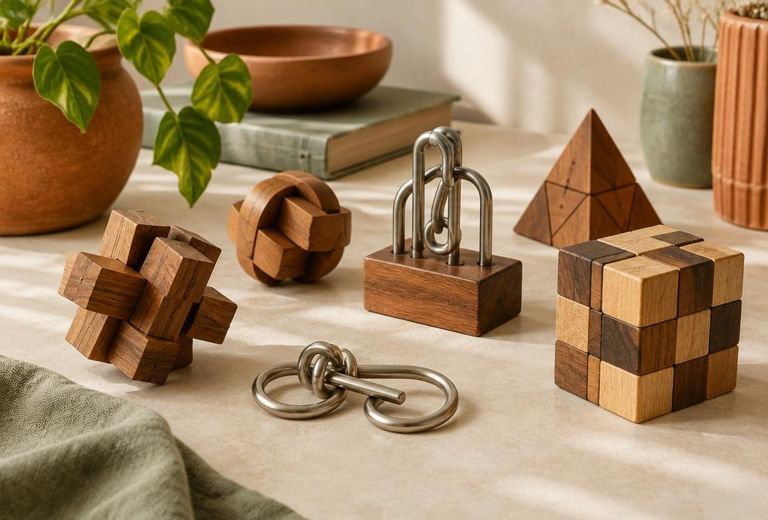
From brain teasers to logic games, discover how to choose puzzle gifts that offer the right challenge without becoming frustrating.
Some people can't resist working something out. A good brain teaser gives them that satisfying moment when it clicks - but a puzzle that's far too hard, or far too easy, quickly ends up in a drawer. The trick is matching the type of puzzle to the person.
Types of Puzzle Gift
- Logic puzzles: grid puzzles, deduction challenges and single-player logic games with challenge cards that get harder as you go.
- Mechanical puzzles: physical puzzles you twist, slide or untangle, such as metal disentanglement puzzles or interlocking shapes.
- Puzzle boxes: boxes that only open when you find the hidden mechanism. Often made of wood.
- Brain teaser books: collections of riddles, lateral-thinking questions and mixed puzzles.
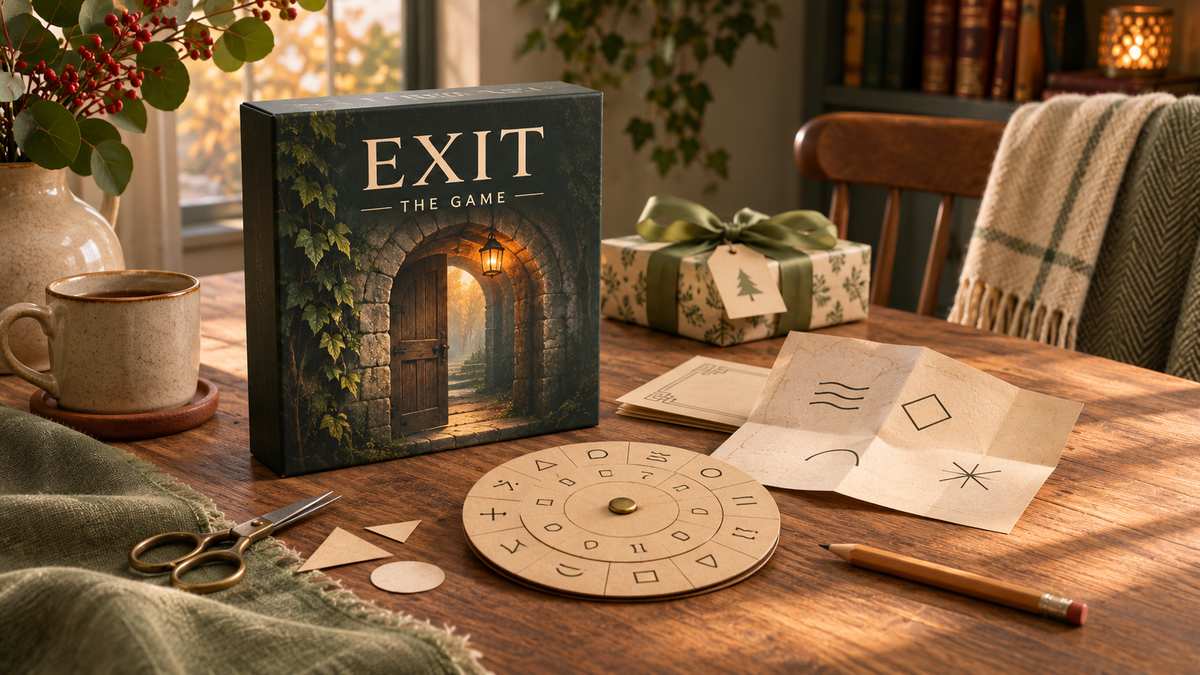
- Escape-room-style games: story-led puzzle games played at home, often in a group.
- Word and number puzzles: sudoku, crosswords, word searches, codewords and similar books.
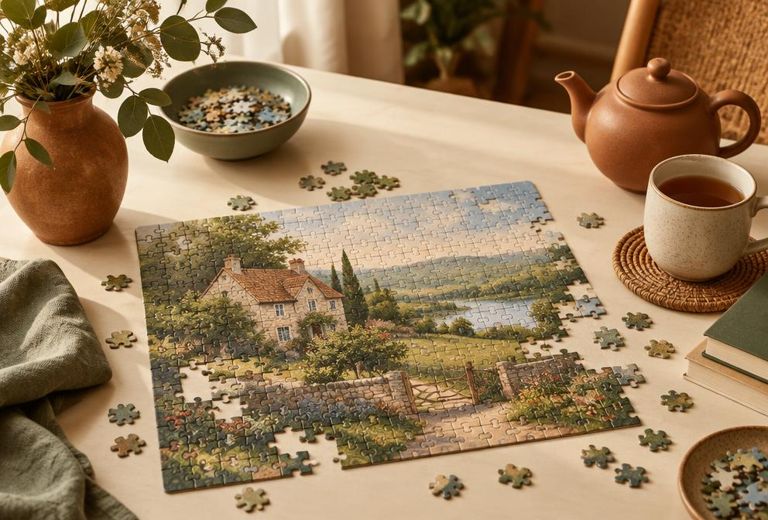
- 3D puzzles: three-dimensional jigsaws and construction puzzles.
Puzzle Types Compared
| Puzzle type | Difficulty considerations | Best suited to | What to check |
|---|---|---|---|
| Logic games with challenge cards | Usually graded from easy to hard within the box | Solo players who like steady progress | Age guidance, number of challenges |
| Mechanical puzzles | Can be very hard with no obvious starting point | Patient tinkerers and desk-puzzle fans | Whether a solution is included |
| Puzzle boxes | Varies by number of steps to open | Curious people who enjoy a reveal | Materials, number of moves, solution |
| Brain teaser books | Mixed - a range of easy and hard puzzles | Commuters and people who like variety | Answers included, size of print |
| Word and number puzzle books | Often labelled by level by the publisher | Daily puzzlers | Puzzle type, stated level, grid size |
| Escape-room games | Often labelled by level by the publisher | Groups, families and couples | Player count, single-use or reusable |
| 3D puzzles | Depends on piece count and design | People who like building and display | Finished size, age guidance |
Logic games with challenge cards
- Difficulty considerations
- Usually graded from easy to hard within the box
- Best suited to
- Solo players who like steady progress
- What to check
- Age guidance, number of challenges
Mechanical puzzles
- Difficulty considerations
- Can be very hard with no obvious starting point
- Best suited to
- Patient tinkerers and desk-puzzle fans
- What to check
- Whether a solution is included
Puzzle boxes
- Difficulty considerations
- Varies by number of steps to open
- Best suited to
- Curious people who enjoy a reveal
- What to check
- Materials, number of moves, solution
Brain teaser books
- Difficulty considerations
- Mixed - a range of easy and hard puzzles
- Best suited to
- Commuters and people who like variety
- What to check
- Answers included, size of print
Word and number puzzle books
- Difficulty considerations
- Often labelled by level by the publisher
- Best suited to
- Daily puzzlers
- What to check
- Puzzle type, stated level, grid size
Escape-room games
- Difficulty considerations
- Often labelled by level by the publisher
- Best suited to
- Groups, families and couples
- What to check
- Player count, single-use or reusable
3D puzzles
- Difficulty considerations
- Depends on piece count and design
- Best suited to
- People who like building and display
- What to check
- Finished size, age guidance
Where a publisher states a difficulty level, use it as a guide. Levels aren't standardised between brands.
Choosing the Right Difficulty
If you don't know their level, choose something with a range of difficulties - a book with graded sections or a game with challenge cards. A puzzle with only one very hard solution is best kept for someone who already loves that kind of challenge.
Solo or Group Play?
Puzzle books, mechanical puzzles and logic games are mostly solo. Escape-room games and some puzzle books work well with a family or a couple. Think about whether they'd rather puzzle quietly or with other people.
Reusability
Puzzle books are usually written in and finished once. Many escape-room games involve cutting, folding or writing on components and can only be played once. Mechanical puzzles, puzzle boxes and logic games can be replayed or passed on.
Materials, Space and Age
Wooden and metal puzzles feel more giftable but can include small parts. Check the manufacturer's age guidance if there are younger children around. Larger 3D puzzles need display space when finished.
Hints and Solutions
Check whether solutions, hints or an answer section are included. A puzzle with no way to check the answer can be frustrating - but some solvers prefer not to have the answer to hand.
Gift Ideas Worth Considering
Links marked "Ad" are paid affiliate links. Givumi earns commission from qualifying purchases.
A mix of puzzle books and a small escape-room game. For a group game, read our first-hand review of EXIT games.
Keep Exploring
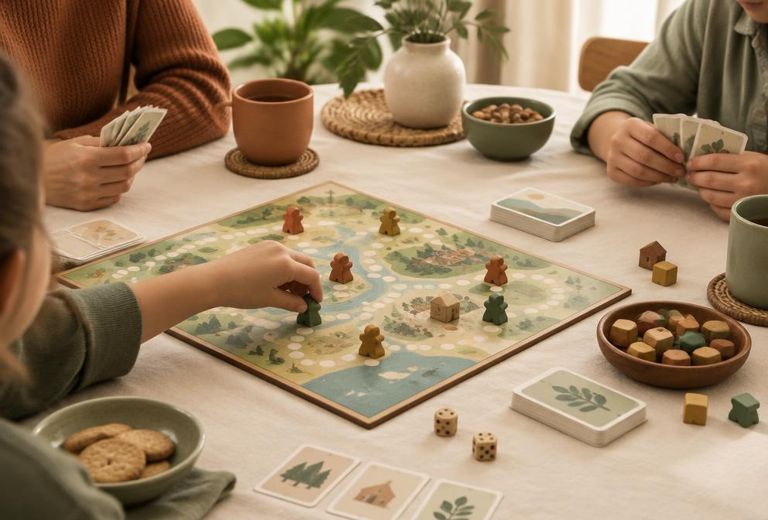
Browse our Brain Teasers gift page, or see our jigsaw puzzle gift guide and board games gift guide for more ways to puzzle together.
If you buy for the same people every year, add them to Givumi free to remember which puzzles they've finished and what level they enjoy.
Keep reading